Oxford Medicine 2027: UCAT Cut-Off, Entry Requirements & Interview
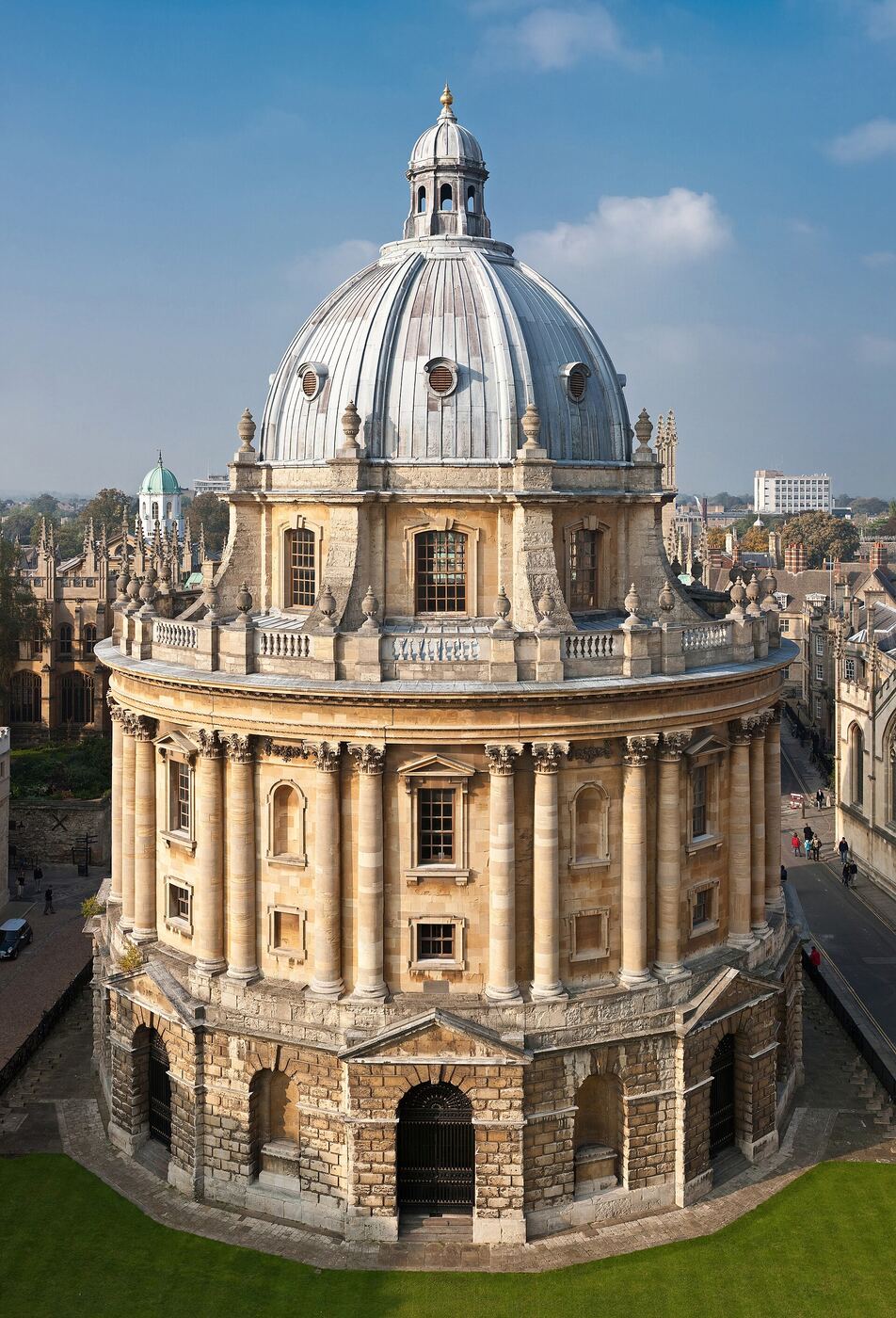
Oxford medicine entry requirements for 2027: A-level and GCSE grades, UCAT cut-off and scores, the interview format and example questions, fees and places.
Last reviewed: 14 September 2026 by MedicHut's medical admissions team.
Oxford Medicine entry requirements (2027 entry)
Oxford Medicine asks for A*AA incl. grade A in Chemistry and at least one of Biology/Physics/Maths/Further Maths, taken in the same academic year at A-level, or 39 (including core points) with 7,6,6 at HL - HL Chemistry plus one other science/maths in the IB. At GCSE: Strong 8s/9s - top of cohort. Mean UCAT: all applicants 2217.5, shortlisted 2377.5, offer holders 2407.1. By school type: independent 2433, state 2390, international 2558. A score of 2350+/2700 is genuinely strong here.
- A-level requirement: A*AA incl. grade A in Chemistry and at least one of Biology/Physics/Maths/Further Maths, taken in the same academic year
- Minimum A-levels: A*AA - Chemistry mandatory
- IB requirement: 39 (including core points) with 7,6,6 at HL - HL Chemistry plus one other science/maths
- GCSE requirement: Strong 8s/9s - top of cohort
- UCAS code: A100
- Places: ~150 Home + ~14 Overseas
- Applications per place: ~10 : 1 overall, but only ~25% of academically eligible applicants are interviewed
- Contextual offers: Oxford Opportunity Bursary + UNIQ summer school priority; flagged contextual applicants are reviewed at every shortlisting stage.
- Fees: £9,535/yr Home (under review) - ~£46,600/yr Overseas Preclinical, ~£61,560/yr Overseas Clinical
SJT is used only minimally after interview, alongside all the other factors.
How Oxford uses the UCAT
Mean UCAT: all applicants 2217.5, shortlisted 2377.5, offer holders 2407.1. By school type: independent 2433, state 2390, international 2558. A score of 2350+/2700 is genuinely strong here.
Mean UCAT: all applicants 2217.5, shortlisted 2377.5, offer holders 2407.1. By school type: independent 2433, state 2390, international 2558. A score of 2350+/2700 is genuinely strong here.
2026 entry (out of 2,700): mean 2,217.5 all applicants - 2,377.5 shortlisted - 2,407.1 offer holders. No minimum UCAT threshold is set.
Oxford medicine interview format
Oxford interviews shortlisted applicants at two colleges, your chosen or allocated college plus a second college allocated at random. Interviewers do not see your UCAT score, and selection criteria are shared across all colleges even though the number and shape of interviews varies. Expect unfamiliar data, graphs or scenarios worked through with you rather than classic ethics stations or tight station timings. Interviews are held in December with decisions in January. Check your invitation for current timings. December, with decisions in January
Sample Oxford interview questions
- Why do red blood cells have no nucleus? What are the consequences?
- If a drug binds 100x more strongly to its receptor when the patient is exercising, what could explain that?
- How would you design an experiment to test whether a new painkiller works better than placebo?
- Tell me how you'd estimate the number of capillaries in the human body. Out loud.
- Why does cooling down a patient reduce brain damage after cardiac arrest?
- Sketch a graph of enzyme activity vs temperature. Now sketch it for a thermophilic bacterium.
- A patient with chest pain has a normal ECG. Should you send them home?
- How would natural selection act on a population where antibiotics are over-prescribed?
- Why do some viruses cause cancer and others don't?
- Walk me through what happens, molecularly, when you cut your finger.
Oxford Medicine FAQs
What admissions test does Oxford use for 2027 entry?
Oxford uses the UCAT for all applicants from 2025 entry onwards (including 2027), alongside the personal statement, GCSEs and A-level predictions. There is no separate Oxford-specific entrance test.
What UCAT score do I need for Oxford Medicine 2027 entry?
There's no published hard cut-off, but the 2025 entry data showed a Home effective cut-off of around 2,720. For 2027 we'd recommend aiming for 2,750+, with SJT in Band 1 or 2.
Can I apply to both Oxford and Cambridge for Medicine?
No - UCAS only allows you to apply to one of Oxford or Cambridge in the same cycle (unless you're applying for Graduate Medicine at Cambridge). Pick the one whose course style suits you better.
Do I need Biology A-level for Oxford Medicine?
No - Chemistry is mandatory, but the second science can be Biology, Physics, Maths or Further Maths. Most applicants take Chemistry + Biology.
How important is the Oxford college I pick?
Less than students think. Oxford uses a 'pool' system where strong applicants are reallocated to colleges with spare capacity, so picking a less popular college doesn't materially boost your chances.
What's the Oxford Medicine interview like?
Two college panel interviews (sometimes three) over one week in December. Each is roughly 25 minutes, mostly scientific or clinical reasoning, with one or two 'tell me about yourself' style questions.
Does Oxford interview online or in person for 2027 entry?
Oxford has returned to in-person college interviews for Medicine. You'll be invited to your college for two days in mid-December.
Can I do Medicine at Oxford as a graduate?
Yes - Oxford runs a separate Graduate-Entry Medicine (BMBCh A101) programme, four years long, with its own application process.
How does Oxford weight GCSEs?
GCSEs contribute around 15% of the shortlisting score. Successful applicants typically have a profile dominated by 8s and 9s in academic subjects, but there's no formal minimum.
When do Oxford Medicine offers come out?
Mid-January, after the December interview week and the college consensus meetings in early January.
Practise the Oxford interview
Book a Oxford medicine mock interview in the exact format Oxford uses, with an interviewer who holds an offer there.
Free Medical School Matcher · 1-to-1 UCAT tutoring · Medicine interview tutoring · All UK medical schools compared · University specific mock interviews · All UK medical school guides